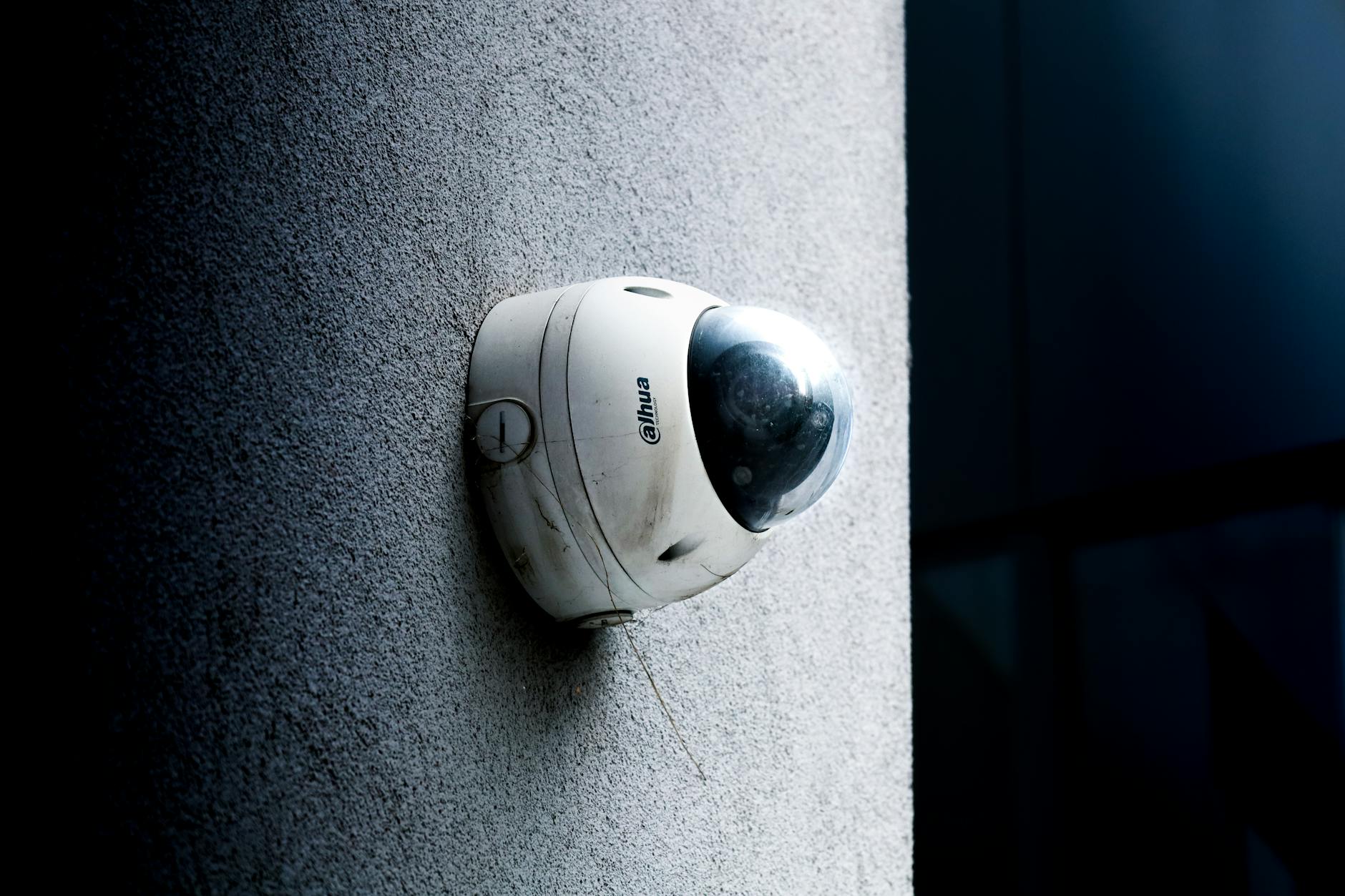
In the quest for an ethical organization, “Transparency” is often hailed as the ultimate cure. The logic is simple: if everyone can see everything, no one can hide bad behavior. However, in the Tactical Lab, we discover a paradox.
When transparency is designed poorly, it morphs into Surveillance. When employees feel “watched” rather than “informed,” they stop being ethical and start being performative. They hide mistakes, stop taking risks, and the “Shadow Org” goes deeper underground.
The Core Concept: The “Glass House” vs. The “Spotlight”
- The Spotlight (Surveillance): Focuses on monitoring inputs—keystrokes, “green dots,” and physical presence. This breeds resentment and a “compliance-only” mindset.
- The Glass House (Transparency): Focuses on sharing context—financials, decision logic, and strategic failures. This breeds ownership and ethical agency.
The Framework: The 3 Pillars of Ethical Transparency
To design a transparent system that empowers rather than oppresses, you must build these three structural pillars:
- Financial Openness: Do employees understand how the company makes and spends money? Ethics flourish when people see the connection between their work and the firm’s viability.
- Algorithmic Clarity: If AI is making decisions (hiring, grading, or routing tasks), the “logic” of that AI must be visible. Hidden algorithms are the 2026 version of “backroom deals.”
- The “Why” Behind the “What”: Every major leadership decision should be accompanied by a “Decision Memo” explaining the alternatives considered and the ethical trade-offs made.
The Actionable Insight: The “Open Kitchen” Policy
In a restaurant, an open kitchen ensures hygiene and quality because the chefs know the customers are watching—but they are still free to cook.
The Design Fix: Transition from Monitoring to Visibility.
- Stop: Tracking “time at desk” or “activity scores.” These are low-trust metrics that invite gaming.
- Start: Making project boards and “Work in Progress” (WIP) visible to everyone. When everyone can see the status of the work, the need for “check-in” meetings (and the surveillance they require) vanishes.
The “Ethical Blind Spot” Test
Ask your team: “Do you feel comfortable sharing a mistake in a public Slack channel?”
- If the answer is No, your transparency is actually a Spotlight. You have a culture of “High Exposure, Low Safety.”
- If the answer is Yes, you have a Glass House. You have designed a system where truth is valued more than perfection.
Tomorrow’s Preview
In Episode 3, we step into the boardroom for Decision Ethics in the C-Suite. We’ll move past “policy” and look at the actual frameworks used to resolve the messy, high-stakes moral dilemmas where there is no “easy” right answer.


Leave a Reply