Welcome back to Global Strategy and Geopolitical Dynamics!
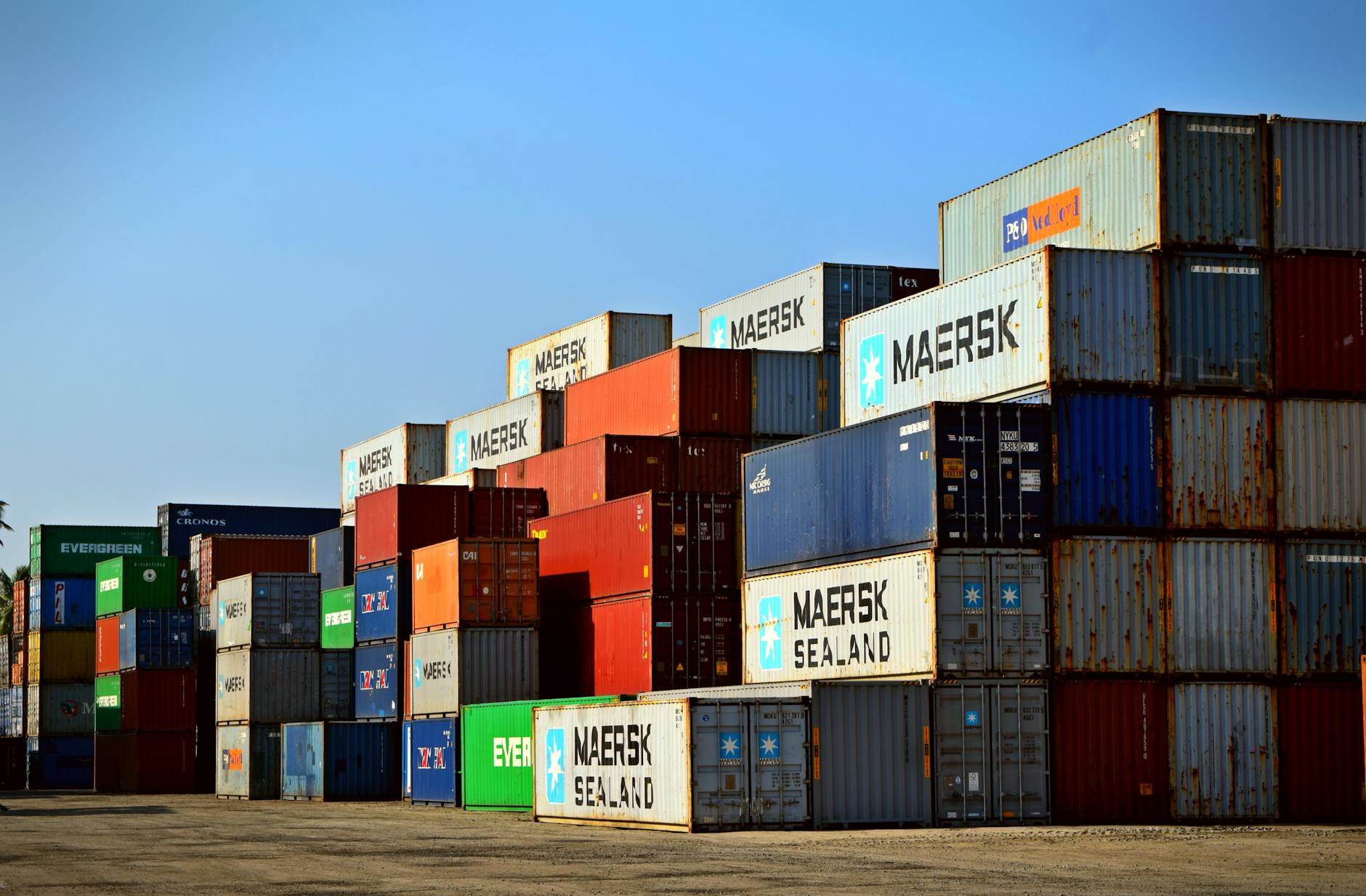
In Episode 34, we quantified the external political threat using the Sovereignty Risk Scan. The supply chain is the most physically exposed Strategic Pillar to these risks. For decades, supply chains were optimized for one thing: Efficiency (low cost, Just-in-Time inventory). This pursuit of a “lean” system, however, traded cost for Redundancy, leaving the enterprise vulnerable to cascading failures when geopolitical or health crises struck.
This episode focuses on The Supply Chain Strategy: redesigning the global supply chain to maximize Resilience and minimize concentration risk (S7). We will analyze the strategic trade-off between Efficiency (cost) and Redundancy (risk) and introduce the strategic sourcing model required for a politically volatile world.
1. The Strategic Trade-Off: Efficiency vs. Redundancy
The new strategic mandate is to find the optimal frontier where the cost of holding extra inventory and maintaining duplicate capacity (redundancy) is justified by the avoided cost of disruption (risk mitigation).
Theoretical Framework: The Efficiency-Resilience Frontier
- The Problem: High-efficiency strategies (like Just-in-Time or reliance on a single, low-cost mega-supplier) push the supply chain to maximum cost savings but also to minimum resilience. Any shock causes a complete breakdown.
- The Pivot: A Resilient Strategy requires deliberate investment in Redundancy (e.g., dual-sourcing, safety stock, nearshoring). This increases immediate operational costs but is required to protect the Strategic Pillars (e.g., ensuring continuity for the Product Innovation pipeline).
- The Goal: The executive team must explicitly define its Risk Appetite (E25) for supply chain disruption and set Key Resilience KPIs (e.g., “The Recovery Time Objective (RTO) for our top 5 VRIO inputs must be 7 days”). This RTO target determines the necessary investment in redundancy.
2. Actionable Insight: Structural Decoupling and Diversification
To reduce Sovereignty Risk (E34), the firm must strategically decouple critical activities from high-risk regions. The days of single-country sourcing for critical components are over.
Actionable Tool: The Strategic Sourcing Model (Decoupling)
| Strategy | Definition | Primary Benefit | Risk Mitigation Focus |
| China Plus One (or Many) | Maintaining core operations in one low-cost region while intentionally building redundant capacity or sourcing in a secondary, politically neutral geography (e.g., Vietnam, Mexico, Poland). | Diversification against trade war tariffs and localized shutdowns. | Geopolitical Risk (R1) and Concentration Risk. |
| Nearshoring/Regionalization | Moving manufacturing closer to the end market (e.g., serving the European market from Eastern Europe, serving the U.S. from Mexico/Canada). | Reduces transit time, lowers logistics costs, and minimizes vulnerability to ocean shipping disruptions. | Operational Disruption (S7) and Shipping Cost Volatility. |
| Multi-Threaded Procurement | Requiring dual or multi-supplier agreements for all critical components, even if the secondary source is higher cost. | Ensures immediate continuity of supply when one source fails; essential for high-impact VRIO components. | Supplier Failure and Specific Sovereignty Risk (e.g., export bans). |
The Governance Mandate: The Head of Operations must justify the strategic cost difference. The higher cost of the redundant supply chain is accounted for not as an expense, but as a mandatory insurance premium protecting the Strategic Pillar (E4).
3. Theoretical Framework: Core-Periphery Strategy in the Supply Chain
The structural redesign of the supply chain must align with the Core-Periphery Strategy (E34) to protect VRIO assets.
- Core Supply Chain: The manufacturing, sourcing, and logistics related to the firm’s VRIO technology or core Product Innovation.
- Strategy: AVOID high-sovereignty-risk countries for this core, even if the cost is higher. Investment should prioritize control, quality, and political stability (e.g., Onshoring/Friendshoring).
- Periphery Supply Chain: The sourcing and logistics related to standard, non-proprietary inputs (e.g., packaging, common fasteners, basic assembly).
- Strategy: These can still be globally optimized for cost efficiency (e.g., relying on low-cost regions) but must be subject to rigorous Multi-Threaded Procurement to ensure redundancy.
This separation ensures that a political shock in a peripheral region does not halt the production of the core, high-value product.
4. Operationalizing Resilience: Inventory and Technology
Resilience is driven by two key operational adjustments, moving away from pure Just-in-Time (JIT) philosophy:
- Safety Stock Optimization: Re-evaluate the JIT model. Rather than eliminating all inventory, strategically increase Safety Stock for components identified as high-impact/high-sovereignty risk inputs (based on the risk map, E26). This is a calculated shift toward a Just-in-Case mentality for critical parts.
- Visibility and Control (Digital Enablers): Invest heavily in DX (S6) tools like real-time tracking, AI-powered demand forecasting, and digital twins. This increases end-to-end visibility across multi-tier suppliers, allowing the organization to spot a looming disruption (e.g., a tier-3 supplier shutdown) and activate the Contingency Plan (E27) before it becomes a crisis.
What’s Next in Global Strategy and Geopolitical Dynamics?
We’ve designed the physical strategy to manage global risk. The final challenge is navigating the complex legal and ethical rules that govern global operations.
In Season 9, Episode 36: Global Governance & Ethics: Navigating Regulatory Fragmentation, we will conclude the series by establishing robust Global Governance Rhythms to manage conflicting global regulatory regimes and ensure the ESG mandate remains consistent across diverse ethical standards.
 Dr-David-C.Com
Leave a comment